College of
LIBERAL ARTS AND
SCIENCES
DISCOVER YOUR PASSION
The oldest and largest of Villanova’s colleges, the College of Liberal Arts and Sciences offers more than 40 academic programs and cultivates knowledge, understanding and intellectual courage for a purposeful life in a challenging and changing world.
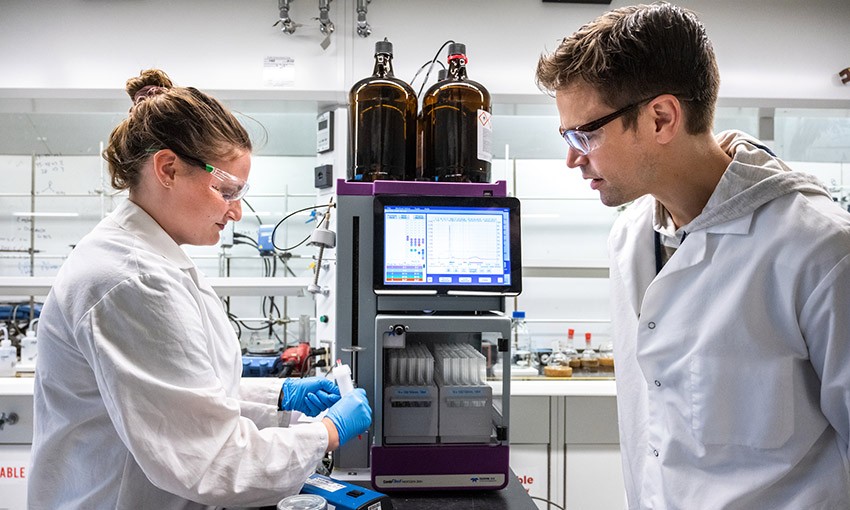
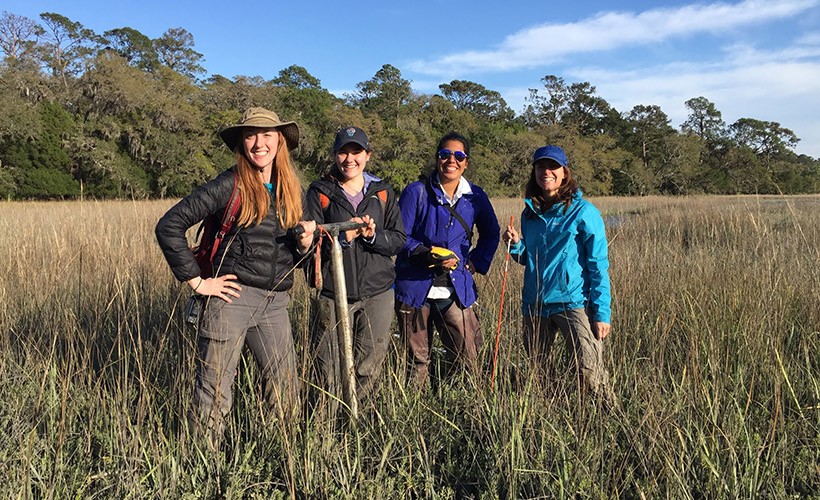
CLAS undergraduate and graduate students can find opportunities for collaborative research and learning with faculty who are dedicated teacher-scholars and among the most distinguished in their fields. From pinpointing a protein that could hold a key to cancer screenings, to testing the impact of industry on local waterways, to critiquing creative writing alongside published novelists, each experience elevates learning and yields insights.
The College’s dynamic, integrated curriculum encourages creativity and innovation, developing critical thinkers, strong communicators and ethical leaders well positioned for diverse and interesting careers. With an emphasis on faculty-student engagement, experiential learning and a global perspective, CLAS is where students find their passion, path and purpose.
EXPLORE OUR PROGRAMS
BACHELOR'S
MASTER'S
DOCTORAL
CERTIFICATE
MINOR
CURRICULUM



COLLEGE NEWS
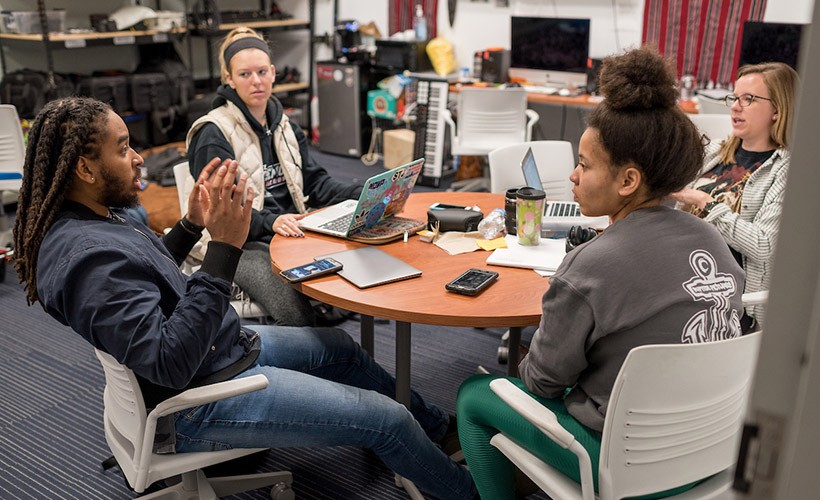
Four New Villanova Student Produced Social Justice Documentaries to Premiere in April and May
Villanova University’s Social Justice Documentary filmmaking course is known for producing documentaries that shed light on important narratives. In spring 2024, two student production companies will premiere a total of four new documentaries featuring powerful stories of cultural preservation, community, education and empowerment.

The Villanova Department of Theatre and Studio Art Presents Three Dynamic Academic Conferences
The Department of Theatre and Studio Art in Villanova University’s College of Liberal Arts and Sciences hosts three engaging events in April and May 2024, highlighting rich scholarship from faculty and students.
The Waterhouse Family Institute will host its annual Transit Talks lecture series on April 11 with Temple University's Klein College of Communication to engage new conversations about the importance of communication, social change and social justice with guest speaker Sarah Benet-Weiser, PhD.
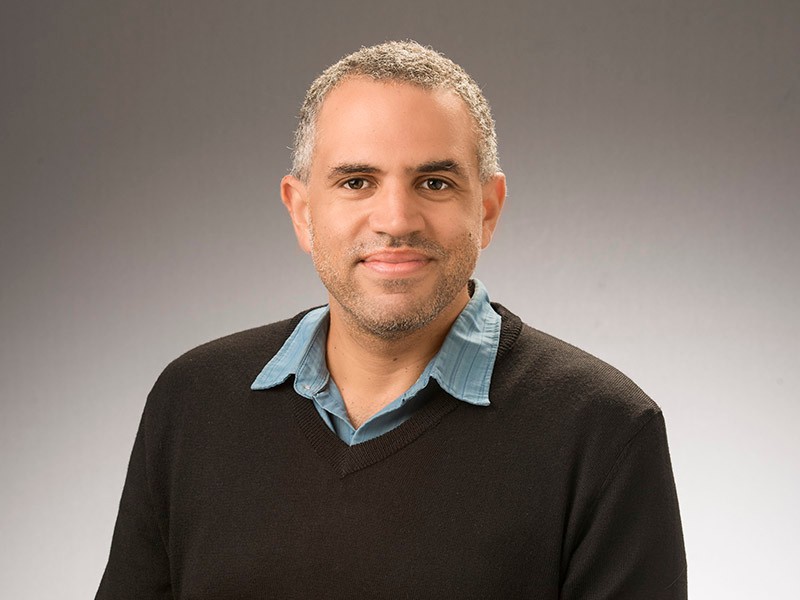
Nancy J. Hirschmann, PhD, will deliver the keynote address, “The Neoliberal Family and the Traditional Sexual Division of Labor: A Matter of Race, Sex and Class,” at the 2024 Gender and Women’s Studies Student Research Conference on Friday, March 22.
AT A GLANCE
60+
GRADUATE STUDENTS PRESENT AT ACADEMIC CONFERENCES EACH YEAR
94%
SUCCESSFUL PLACEMENT RATE
FOR CLASS OF 2023
17
STUDENTS OR ALUMNI EARN FULBRIGHT SCHOLARSHIPS IN 2022 – 2023
81%
OF STUDENTS SEEKING A RESEARCH EXPERIENCE PARTICIPATED IN AT LEAST ONE
89%
OF STUDENTS SEEKING AN INTERNSHIP PARTICIPATED IN AT LEAST ONE
96%
of students seeking a service experience participated in at least one