
COLLEGE OF
ENGINEERING
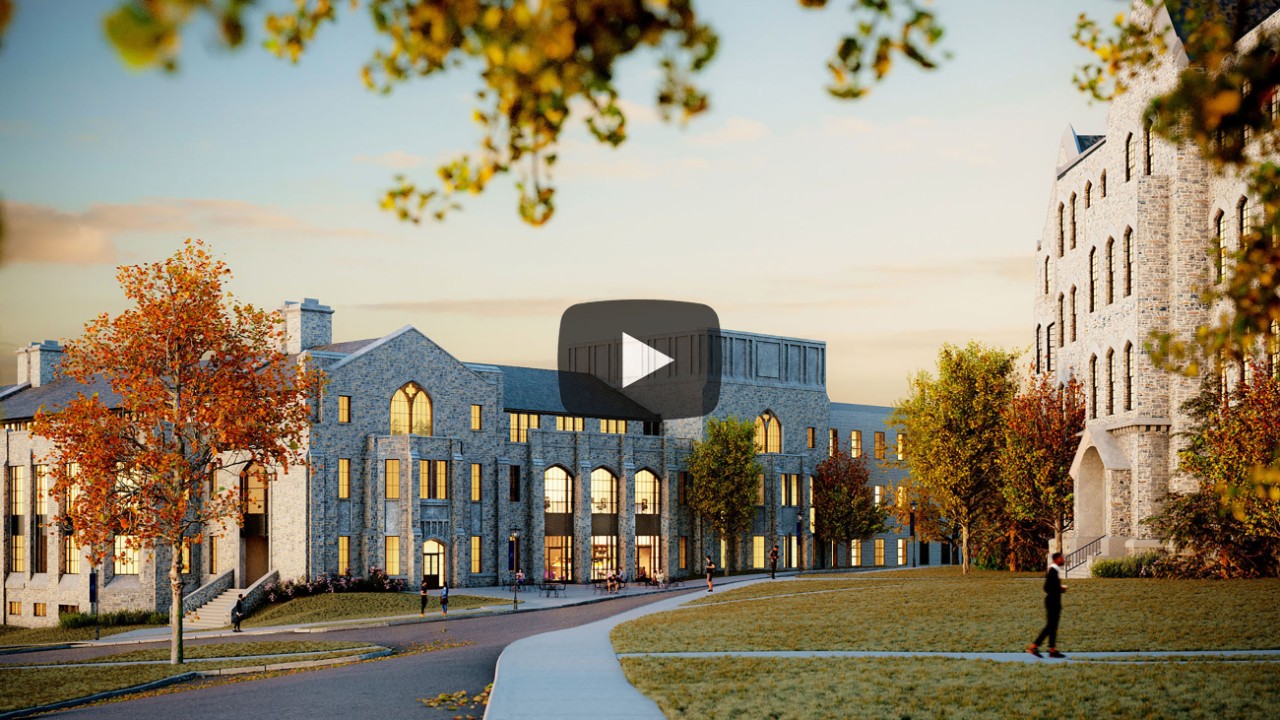
The Future of Villanova Engineering
Opening in Fall 2024, Drosdick Hall will usher in a new era for the College of Engineering, furthering its commitment to igniting change through interdisciplinary research and innovative teaching and learning.
EXPLORE YOUR OPTIONS
DEPARTMENTS
RESEARCH
BACHELOR'S
MASTER'S
DOCTORAL
CERTIFICATE
THE VILLANOVA ENGINEERING EXPERIENCE




ENGINEERING AT A GLANCE
98.2%
SUCCESSFUL UNDERGRADUATE PLACEMENT RATE
90%
WHO WANT AN INTERNSHIP HAVE AT LEAST ONE
483
GRADUATE STUDENTS
88%
OF MASTER'S STUDENTS GRADUATE WITHIN 3 YEARS
35%
FEMALE ENGINEERING UNDERGRADUATES
93.3%
FRESHMAN-TO-SOPHOMORE RETENTION RATE




ENGINEERING NEWS
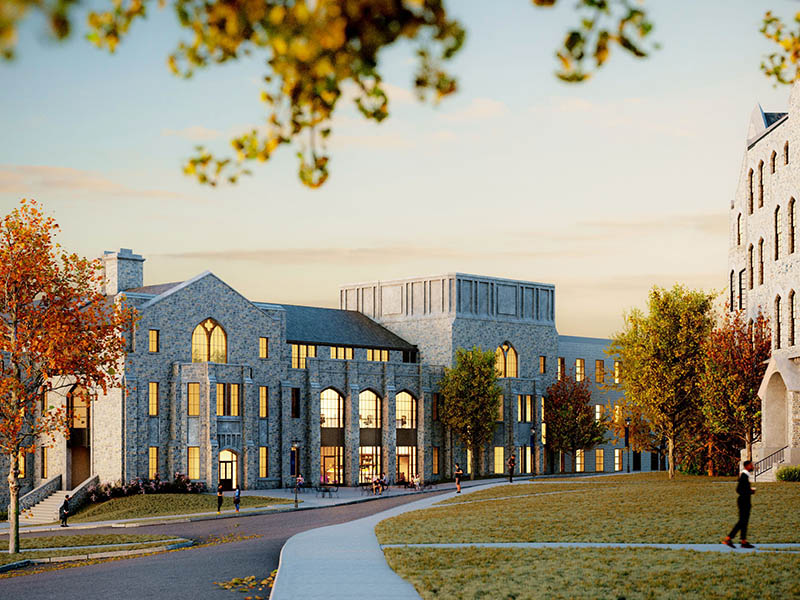
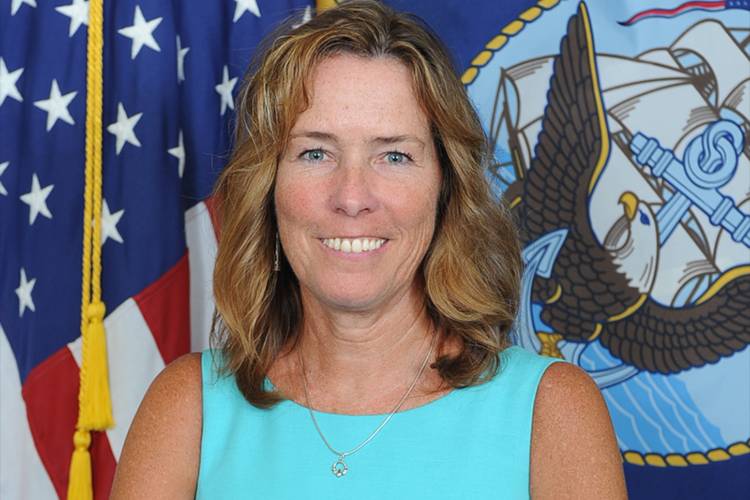
Villanova University President the Rev. Peter M. Donohue, OSA, PhD, has announced that in recognition of $20 million in support of the College of Engineering building expansion project by John G. Drosdick ’65 ChE, retired chief executive officer and president of Sunoco Inc., the College’s soon-to-be-completed new building will be named Drosdick Hall.
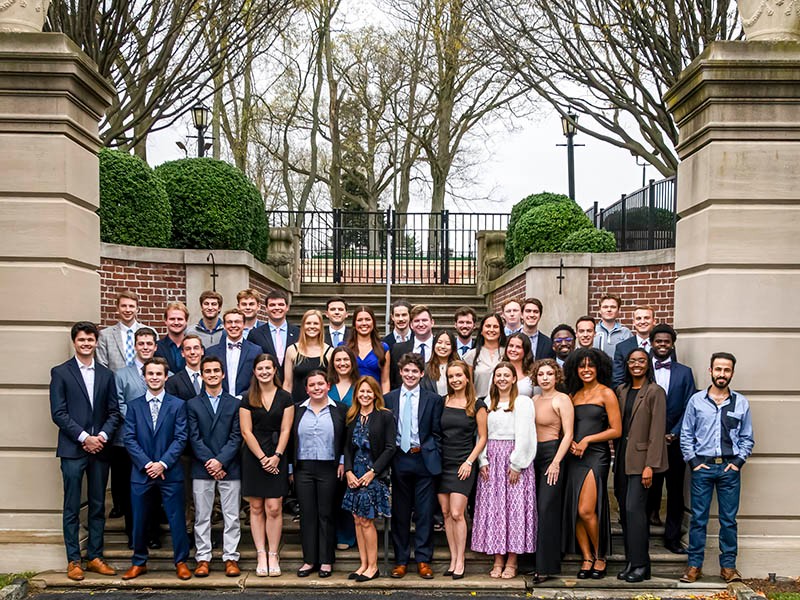
College of Engineering Recognizes Top Students at 2024 Dean’s Awards Dinner
Held Thursday, April 11, at Overbrook Golf Club in Villanova, Pa., the event capped off an academic year in which about 260 Engineering students will receive their bachelor’s degrees, 133 will receive their master’s degrees and 15 will receive their doctoral degrees.
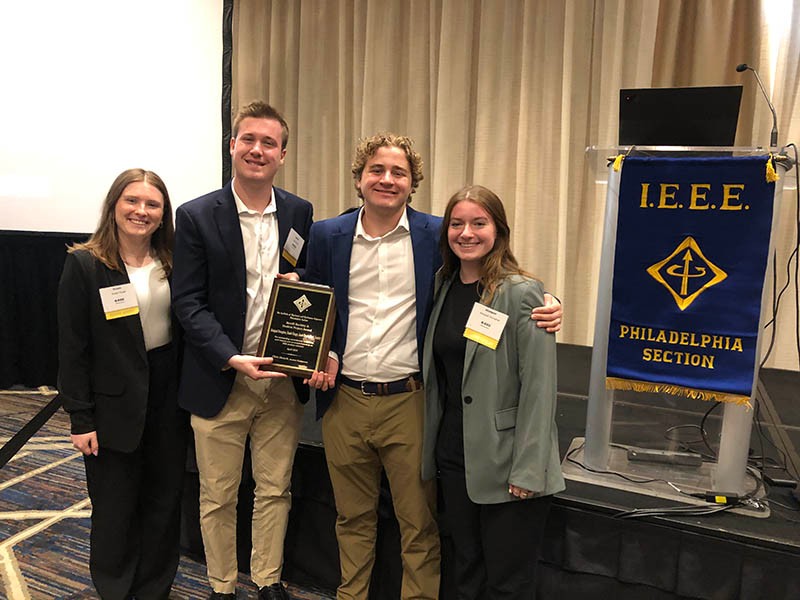
Villanova Engineering Students Win 2024 IEEE Philadelphia Section Student Project Award
The recognition celebrates their senior Electrical and Computer Engineering (ECE) Capstone project under the guidance of department Professor and Chair Bijan G. Mobasseri, PhD.
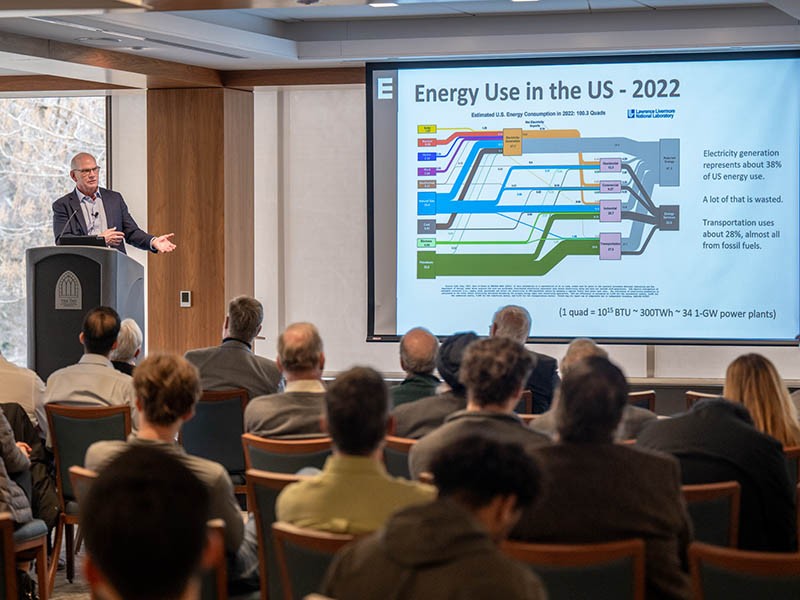
Dr. Poor, a renowned expert in information theory, machine learning and network science, captivated the audience with his lecture, “Smart Grid: The Internet of Energy.”

Villanova Engineering Launches Master’s Degree in Biomedical Engineering
The interdisciplinary program, which will be available to students starting in Fall 2024, involves the application of engineering to address challenges in medicine and health care for societal needs.