The Voices of History
The stories of southern New Jersey’s resilient Jewish farming communities are now preserved in Villanova’s Digital Library
By Albert Stumm
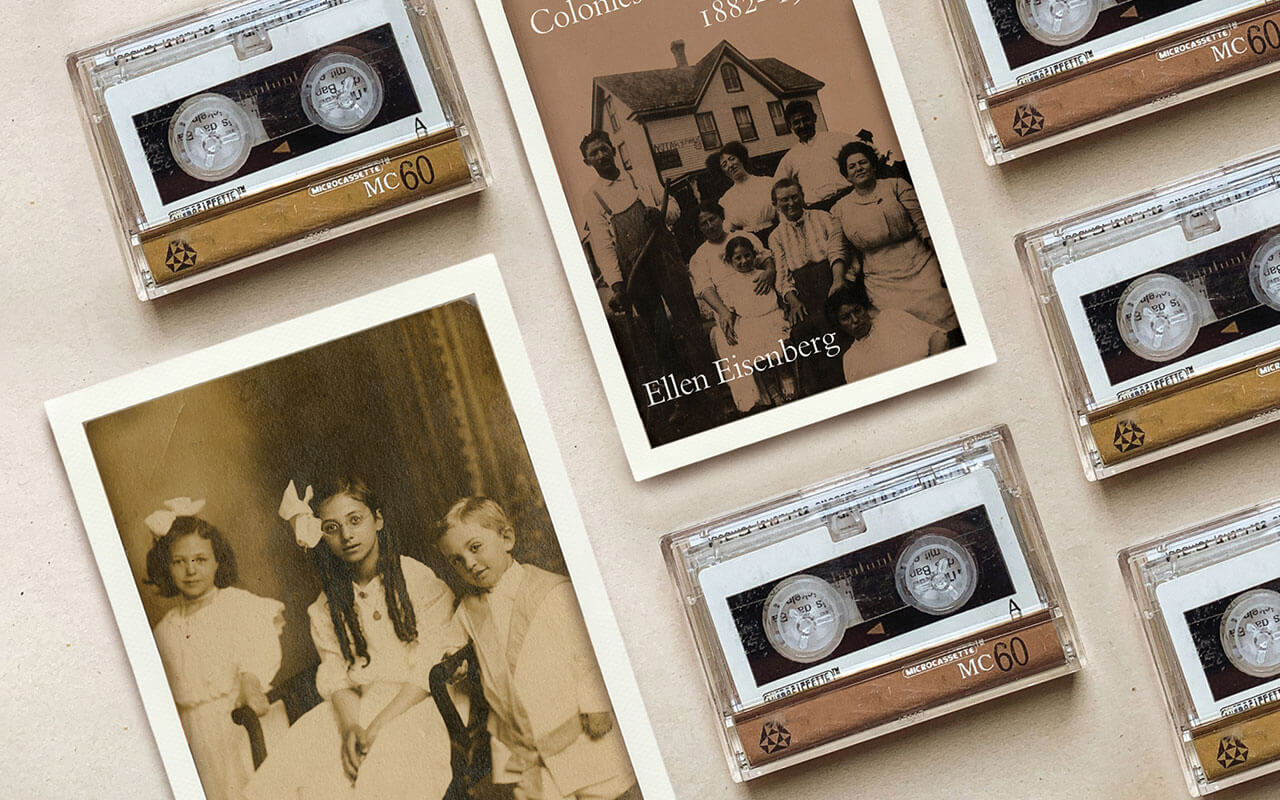
In the late 1800s in southern New Jersey, rows of corn grew high enough for kids to run through. A wagon with butter and eggs rolled through town. Farmers toiled in fields producing melons, sweet potatoes, huckleberries, cranberries and asparagus, which thrived in the sandy soil.
The scene sounds like the typical tableau of rural American life, but this particular community, a settlement called Alliance, was unique. It is considered the first successful Jewish farming community in the United States.
Alliance was formed in 1882 by 43 families fleeing violent anti-Jewish pogroms in the Russian Empire. The settlers, mostly tradesmen and scholars, had little experience for a life raising farm animals and clearing pine trees to plant crops. At first, they slept in Army tents provided by the US government until they built temporary barracks for communal living—and eventually a whole town.
Two of those families included the great-great-grandparents of Rebecca Oviedo, the Distinctive Collections archivist at Falvey Library. She recently completed a project to digitize oral history interviews of descendants conducted in 1978. “A legacy has been built around telling the story of how they survived,” Oviedo said. “This is another part of continuing the story to ensure that it's preserved.”
Oviedo and Mike Sgier, one of the library’s two Distinctive Collections coordinators, listened to roughly 85 hours of interviews spread across 42 deteriorating cassette tapes. Now, the recordings are preserved online with free access in Falvey’s Digital Library, which has a number of partnerships with organizations to digitize photographs, documents, recordings and other historical records.
“A cassette could be preserved in its own right, but you’re limited with that,” Sgier said. “If you’re making it available in a digital library, somebody halfway around the world can hear it.”
In the case of Alliance, which was one of several Jewish farming communities in the area, the recordings were produced for an exhibition at the Weitzman National Museum of American Jewish History in Philadelphia two years after its 1976 opening. By that point, members of the communities had mostly moved to surrounding cities as the settlements faded to memory. But stories were passed down for generations about their peak, when they included a shoe shop, general store, Collier’s department store, Brotman’s sewing factory, the Fesselnick bottling company and even the Woodbine Hotel.
Two of Oviedo’s great-aunts were among those interviewed, which brought back fond memories. “I’ve always been interested in history and family history,” she said. “But hearing the voice of someone you haven't heard in so long is so impactful.”
DID YOU KNOW?
The Distinctive Collections and Digital Engagement Department preserves and makes available materials from the University’s history. It has also digitized assets from dozens of Digital Partner organizations in order to promote scholarly research around the globe. The collection includes a diverse array of recordings, such as oral histories of Villanova war veterans, concerts by the Chester County Choral Society and Irish music festivals held by the Philadelphia Ceili Group. Among other records are handwritten letters of the Sisters of the Order of St. Basil the Great and photographs, scrapbooks and other materials from nurses who served in World War II from the collection of the Museum of Nursing History.
NEXT IN NOVA-WORTHY
Seeking more togetherness, a campuswide initiative encourages students to put down their phones and pick up a conversation