Premature Birth, Lifelong Outcomes
Researcher explores health challenges that children born preterm face throughout life
By Claire Curry
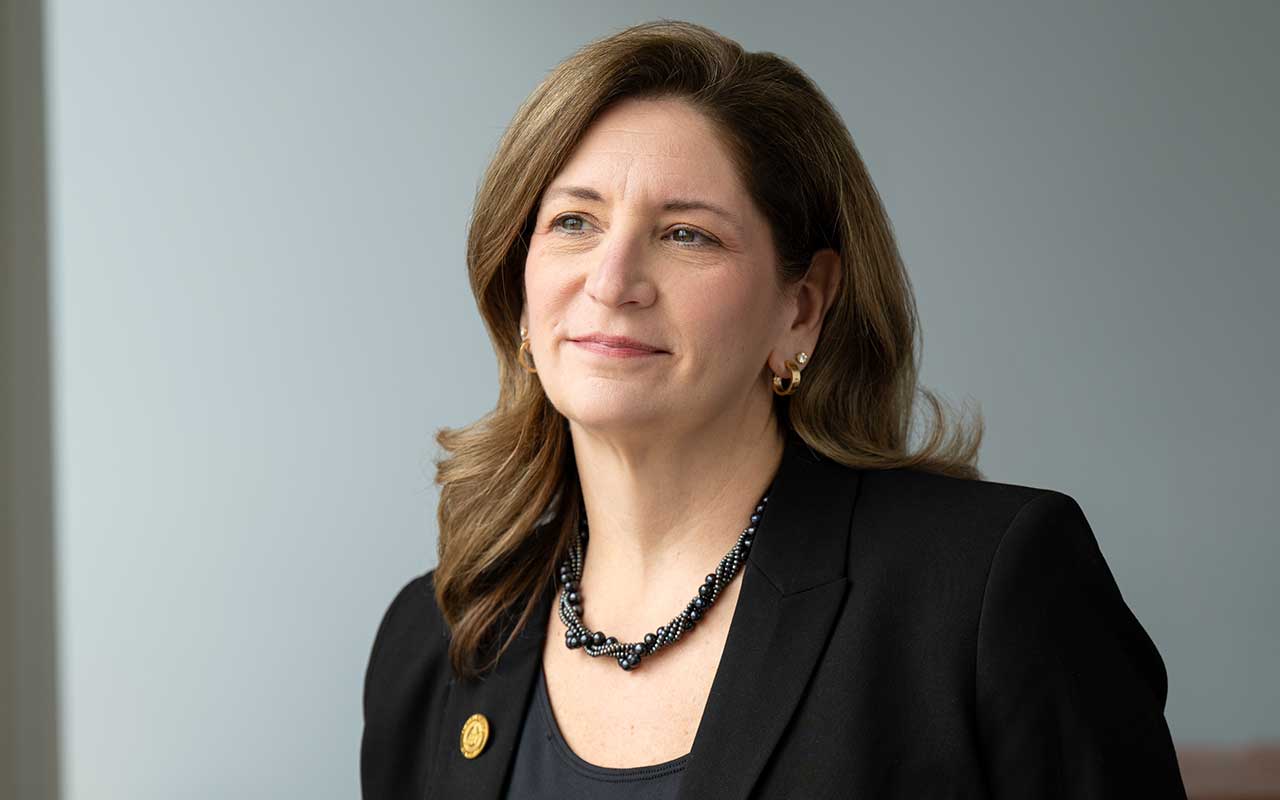
For parents, having a child born prematurely–before 37 weeks of pregnancy are completed–raises serious concerns about the baby’s well-being. Thankfully, 95% of babies born early survive and thrive. But are there longer-term health implications?
Professor of Nursing Michelle Kelly ’94 FCN, ’12 PhD, CRNP, CNE, FAANP, FAAN–a pediatric nurse practitioner who spent years in the Neonatal Intensive Care Unit (NICU) at three locations of Main Line Health in Pennsylvania–studies the effects of premature birth and has identified links to specific health issues. A study she conducted with Research Assistant Professor Margaret Brace, PhD, ’04 CLAS, her colleague in the M. Louise Fitzpatrick College of Nursing, concluded that people born prematurely tend to develop cardiovascular conditions earlier than those born full term. “They were diagnosed with high cholesterol sooner, and diabetes was diagnosed 12% earlier,” Dr. Kelly says, referring to the 2025 study published in the International Journal of Cardiology.
Preemies often experience respiratory issues as well. “Children born preterm with underdeveloped lungs who are now adults in their 30s, 40s or 50s often meet the criteria for COPD [chronic obstructive pulmonary disease],” she explains, “though their condition doesn’t respond to standard COPD medications because of developmental lung differences.”
Early births can also impact mental health, as well as educational and neurodevelopmental outcomes. “Roughly 10% of the population–about four children in every classroom–were born preterm,” Dr. Kelly says. “Of those, about half will need some level of support services.”
Unique health challenges like these are among the many reasons Dr. Kelly advocates for including premature birth in patients’ medical histories. Dr. Kelly proposes that premature birth be among the top questions health care providers ask of their patients, along with whether they have allergies or a family history of heart disease or cancer.
Her current study focuses on preemies’ lived experiences, including their interactions with the health care system. Caitlyn Ng ’27 FCN, a research assistant who works with Dr. Kelly, finds it surprising that many health care professionals overlook a patient’s history of premature birth. “In my future career as a nurse, I want to ensure that I am not dismissive and that the patient feels heard in all aspects of their life,” Ng says, sharing that she herself was born prematurely at 28 weeks.
Dr. Kelly’s ultimate goal is to drive changes in health care. “We need to change how we educate nurses and physicians and shift the narrative that ‘preemies grow up and they’re just fine’–not to make them feel vulnerable, but to make them as prepared as possible to address potential health issues and advocate for themselves,” she says. “Awareness changes outcomes, and that’s really what I’m trying to do.”
DID YOU KNOW?
Recently, the Association of Faculties of Pediatric Nurse Practitioners named Dr. Kelly Outstanding Researcher of the Year. She was also co-recipient—with current PhD students Tasha Martin-Peters '08 FCN, MSN, RN, and Jessica Strohm Farber, DNP, CRNP—of the Leah Harrison Excellence in Clinical Writing Award for an article that appeared in the Journal of Pediatric Health Care, the official journal of the National Association of Pediatric Nurse Practitioners.