Protect Who? How the Protect College Sports Act Might Limit College Athlete Autonomy
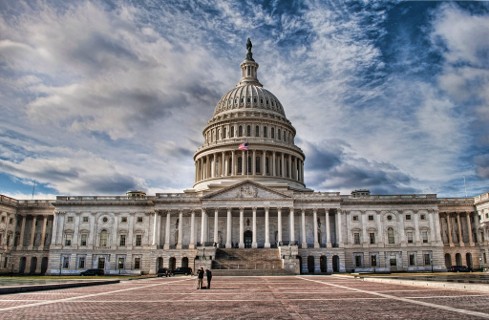
Photo Source: ajagendorf25, United States Capital Building HDR, Openverse (CC BY-NC 2.0).
By: Cassandra Smith* Posted: 10/22/2026
College athletics is undergoing a significant shift in defining the legal relationship between universities and their student athletes.[1] College athletes have gained greater opportunities to earn compensation from college sports in recent years, specifically through name, image, and likeness (NIL) opportunities.[2] The Protect College Sports Act (the “Act”) was introduced by Senators Ted Cruz (TX) and Maria Cantwell (WA) to establish a uniform federal framework for college athletic, aimed at protecting student athletes and their rights.[3] The Senate passed the Act by a vote of 77 to 22 on September 28, 2026, and the legislation now moves to the House of Representatives.[4] If also passed by the House, the Act would establish athlete protections governing NIL agreements, scholarships, medical care, transfers, and eligibility.[5] However, the Act would also impose rules governing when an athlete may transfer, how long they are eligible to compete, and what forms of compensation and agreements are permitted.[6] These provisions are intended to protect college athletes, but they raise the question of how much control these athletes will have over their own careers.[7] This blog examines whether the Act’s provisions limit athlete autonomy so much so that it calls into question whether the legislation actually protects athletes in the way it claims to.[8]
The Act’s Provisions in the Interest of College Athletes
The Protect College Sports Act of 2026 would establish federal protections governing several aspects of college athletes’ participation in their sports.[9] The bill addresses a range of issues, including NIL agreements, academic protections, medical coverage, health and safety, athlete representation, transfers, and eligibility.[10] The Act would bar institutions and athletic governing associations from limiting student athletes’ ability to enter NIL agreements, except where those agreements fall outside the Act’s limitations.[11] The Act would also mandate athlete disclosure of certain NIL agreements exceeding $600 to their institutions and intercollegiate athletic associations, regulate athlete agents through registration requirements, and place limits on certain endorsement-contract fees.[12] Together, these provisions would create federal protections for athletes looking to profit from their NIL while also establishing rules governing those arrangements.[13]
Beyond NIL, the Act would also protect certain athletic scholarships from being revoked or reduced based on an athlete performance, injury and illness, or coaching decisions[14] It would also require specified medical coverage and health and safety standards for college athletes as well as create an Office of the Student Athlete Ombudsman to provide independent general advice and assist athletes with their concerns[15] These provisions demonstrate how the Act seeks to give college athletes federally enforceable protections in these areas that have been governed mostly by institutional policy, NCAA rules, and state law.[16] But despite all these protections, the Act also limits the choices athletes can make.[17]
The Act’s Resulting Limits on College Athlete Autonomy
Although the Act would provide college athletes with new, federally enforceable rights, it would also narrow athletes’ ability to make independent decisions about their own careers.[18] The Act removes the right of states to make their own rules for NIL, transfers, and eligibility by establishing a single federal framework that would preempt conflicting state laws.[19] Although this seems like a neutral tradeoff, several existing state NIL laws are more favorable to athletes than the NCAA-aligned standard established by the Act.[20] As a result, an athlete’s rights would become dependent on what Congress decides is a protection to include, rather than on protections already provided by the state.[21] Thus, athletes could lose the ability to benefit from state decisions that offer stronger protections than federal policy.[22] This preemption also creates uncertainty for athletes who currently relay on state-level protections because those protections may no longer be available when the Act takes effect][23]
The Act similarly limits athlete autonomy over transfers by replacing potentially more productive state transfer laws with a uniform federal standard governing when and how student-athletes may transfer.[24] The Act allows athletes one transfer without losing eligibility, but a second transfer loses a year of eligibility with only very narrow exceptions.[25] The Act recognizes an athlete’s ability to leave a program but penalizes them for doing it more than once.[26] Eligibility has just as rigid of a framework with athletes generally getting five calendar years to compete, except in rare circumstances.[27] That puts a hard federal time limit on an athlete’s eligibility which historically has been governed by a mix of NCAA rules, conference decisions, and case-by-case waivers, thus making the Act more restrictive on athletes’ control over themselves.[28] The Act also limits when schools, conferences, and agents can even contact an athlete about transferring or signing, simultaneously granting the right for an athlete to make the choice while restricting heavily who is allowed to reach out and when.[29]
The Act’s headline selling point, NIL protections, comes with strong limitations as well.[30] The Act would establish a revenue-sharing system to allow athletes to receive compensation directly from their schools.[31] Athletes can sign NIL deals, but the Act bans arrangements that circumvent the revenue-sharing cap, requiring deals involving schools to have a legitimate business purpose and pay rates consistent with what a non-athlete would get paid for the same work.[32] This limitation therefore puts the control mostly in Congress’ hands to determine which compensation arrangements are permissible, further limiting an athlete’s choice and benefit in their NIL agreements.[33]
The pattern of the Act is consistent as every right granted to athletes comes with a rigid federal boundary on how, when, or how often it can be exercised.[34] Athletes do gain some ground in their positions as students, but they also lose the current state protections that often are more favorable to student-athletes than institutions.[35] The Act might pose itself as protecting college athletes, but in creating this federal framework the power is put more so in the hands of Congress to determine outcomes rather than the athletes themselves.[36] Thus, this Act cannot be viewed as empowering student athletes with greater freedom because, despite the protections afforded to them, they are still restricted in the decisions they can make regarding their athletic careers.[37]
Future of the Act
The Protect College Sports Act of 2026 would significantly change the legal framework governing college athletes by establishing federal protections for athletes.[38] However, while providing more uniformity, the Act would simultaneously impose federal restrictions on transfers, eligibility, compensation, and recruitment while limiting the role of state law.[39] The Act therefore presents a more complicated picture of athlete autonomy than its protections suggest.[40] Whether the legislation is ultimately protecting college athletes depends on both the rights it grants and how much freedom athletes retain within the new federal system.[41] With the Act now passed in the Senate and moving to the House, its ultimate impact on athlete autonomy remains unresolved.[42]
*Staff Writer, Jeffrey S. Moorad Sports Law Journal, J.D. Candidate, May 2028, Villanova University Charles Widger School of Law.
[1] See Jodi S. Balsam, False Start on NIL: Public and Private Law Should Treat College Athletes Like Any Other Student, 11 Tex. A&M L. Rev. 785, 786–89 (2024) (explaining how intercollegiate athletics is moving away from traditional amateurism toward formal legal frameworks).
[2] See id. at 788–90 (noting that college athletes now have rights to monetize publicity following Supreme Court decision in National Collegiate Athletic Association v. Alston and resulting policy changes of NCAA); see also Nat’l Collegiate Athletic Ass’n v. Alston, 594 U.S. 69 (2021) (holding that NCAA restrictions on student-athlete benefits violate federal antitrust law).
[3] See Press Release, U.S. Senate Comm. On Commerce, Sci., & Transp., Cruz, Cantwell, Schmidt, Coons Strike Agreement to Save College Sports (May 27, 2026), https://www.commerce.senate.gov/press/rep/release/cruz-cantwell-schmitt-coons-strike-agreement-to-save-college-sports/ (highlighting bipartisan legislative agreement to establish uniform federal framework governing college athletics through Protect College Sports Act of 2026).
[4] See Courtney Bublé, Senate Passes Protect College Sports Act, Law360 (Sep. 28, 2026 at 10:40 ET), https://www.law360.com/articles/2530708/senate-passes-protect-college-sports-act (reporting that Senate voted 77-22 to pass Protect College Sports Act on September 28, 2026).
[5] See Protect College Sports Act of 2026, S. 4668, 119th Cong. §§ 101, 105, 106, 112, 113 (2026) (detailing statutory protections for student-athlete NIL contracts, academic grants, medical coverage, transfer rights, and eligibility limits).
[6] See PCSA Fact Sheet, U.S. Senate Comm. on Com., Sci., & Transp. (2026), https://www.commerce.senate.gov/wp-content/uploads/2026/08/PCSA-Fact-Sheet.pdf (highlighting proposed statutory limits constraining athlete transfer frequency, eligibility duration, and booster compensation); see also S. 4668 §§ 112-114 (establishing statutory limits on transfer windows, eligibility caps, and prohibited compensation agreements).
[7] See 172 Cong. Rec. S4710-11 (daily ed. Sep. 15, 2026) (statement of Sen. Cory Booker) (arguing statutory compensation caps and transfer restrictions unfairly limit athlete autonomy and leverage); see also Ira Gorawara, NAACP CEO Rips Protect College Sports Act in ESPN Appearance: ‘Greed by the Conferences,’ N.Y. Times (Sep. 15, 2026) https://www.nytimes.com/athletic/7598577/2026/09/15/naacp-derrick-johnson-protect-college-sports-act-espn-appearance/ (quoting civil rights leaders criticism of Act for restricting player control while granting conference antitrust immunity).
[8] See 172 Cong. Rec. S4711-12 (daily ed. Sep. 15, 2026) (Active College Athletes Letter to Senate Leadership) (questioning whether federal restrictions on transfer rights and earning potential genuinely protect college athletes).
[9] See S. 4668 tit. I (establishing uniform federal framework governing student-athlete NIL rights, transfers, health, and academic safeguards).
[10] See id. §§ 101–113 (enumerating Title I statutory provisions governing NIL contracts, coursework freedom, medical coverage, safety standards, ombudsman support, transfers, and eligibility).
[11] See id. § 101 (prohibiting universities, conferences, and athletic associations from restricting NIL compensation except when agreement breaches school’s code of conduct or involves school’s facilities, uniforms, equipment, logos, or other school indicia).
[12] See id. (requiring student-athletes to report NIL agreements over $600 in value to their institutions within thirty days).
[13] See Press Release, U.S. Senate Comm. on Com., Sci., & Transp., Senate Votes 74-24 To Advance Cantwell’s Bipartisan Protect College Sports Act (Sep. 15, 2026) [hereinafter Senate Votes 74-24] https://www.commerce.senate.gov/press/dem/release/senate-votes-74-24-to-advance-cantwells-bipartisan-protect-college-sports-act/ (detailing NIL provision as replacing patchwork of state NIL laws with single national right that comes with agent registration, fee caps, and anti-fraud protections).
[14] See S. 4668 § 105 (prohibiting institutions from revoking or reducing athletic grants-in-aid based on athletic performance, medical conditions, or roster management decisions); see also Senate Votes 74-24, supra note 13 (noting that bill guarantees scholarships for ten years post eligibility so athletes can complete their degrees).
[15] See S. 4668 § 106 (mandating Division I coverage for out-of-pocket medical expenses incurred during participation and for five years post-eligibility); see also id. § 107-108 (requiring adherence to national safety protocols for brain injuries, heat illness, rhabdomyolysis, sick cell trait, and asthma as well as establishing Office of Student Athlete Ombudsman to offer independent free guidance to players).
[16] See id. § 119 (granting student-athletes explicit federal private right of action to enforce scholarship, medical safety, and NIL protections); see also Balsam, supra note 1, at 809-13 (describing how college athlete welfare was previously governed by fragmented patchwork of NCAA rules, institutional policies, and state law).
[17] See 172 Cong. Rec. S4709-10 (daily ed. Sep. 15, 2026) (statement of Sen. Cory Booker) (criticizing bill for imposing statutory compensation caps and transfer restraints that restrict player leverage).
[18] See 172 Cong. Rec. S4709-10 (daily ed. Sep. 15, 2026) (statement of Sen. Cory Booker) (explaining how statutory rules restrict athlete choice in mobility and earnings despite establishing formal federal rights); see also Balsam, supra note 1, at 788–90 (arguing that replacing state autonomy with federal regulation restricts student-athlete ability to make independent commercial and career decisions).
[19] See S. 4668 § 121 (preempting any state law, regulation, or rule that conflicts with federal NIL, transfer, or eligibility provisions).
[20] See Balsam, supra note 1, at 811–13 (describing state laws that expanded athlete rights by permitting direct school facilitation and removing disclosure burdens).
[21] See S. 4668 § 121 (invalidating state statutes regulating NIL compensation, transfers, and athlete eligibility); see also 172 Cong. Rec. at S4709-11 (daily ed. Sep. 15, 2026) (statement of Sen. Cory Booker) (warning that federal preemption removes athletes protective state statutory rights and consolidates into one federal governance).
[22] See Balsam, supra note 1, at 813–22 (explaining that federal preemption deprives college athletes of state-level statutory protections that grant broader freedoms); see also Gorawara, supra note 7 (quoting civil rights leaders’ arguments that overriding state law leaves student-athletes with less rights than under more protective state frameworks).
[23] See S. 4668 §§ 121, 123 (applying federal preemption immediately upon enactment and displacing state law standards); see also Balsam, supra note 1, at 821–22 (explaining that overriding state autonomy with federal preemption creates compliance issues and uncertainty for student-athletes).
[24] See S. 4668 § 112 (establishing single national statutory standard governing all transfers); see also PCSA Fact Sheet, supra note 5, at 1 (confirming that Section 112 establishes uniform national transfer framework to end “transfer portal chaos”).
[25] See S. 4668 § 112 (granting one undergraduate transfer while imposing one-year residency penalty for second transfer, subject to narrow exceptions); see also Chris Vannini, What’s Actually in the Senate Bill That’s Supposed to Stop the Madness in College Sports?, N.Y. Times (Sep. 28, 2026) https://www.nytimes.com/athletic/7493125/2026/08/05/protect-college-sports-act-summary/ (analyzing one-transfer cap and specific exemptions under the bill).
[26] See S. 4688 § 112 (mandating one-year loss of eligibility for any undergraduate transferring second time without meeting exemption); see also Vannini, supra note 25 (explaining how reinstating transfer penalties restricts player mobility compared to current unlimited transfers).
[27] See S. 4668 § 113 (stopping athletic competition at five calendar years from initial enrollment or age nineteen, with narrow exceptions for pregnancy, religious missions, or military service).
[28] See id. § 118 (granting athletic associations antitrust immunity to enforce five-year eligibility limit).
[29] See S. 4668 § 117 (restricting schools, conferences, associated entities, and athlete agents from recruiting or contacting enrolled student-athletes outside designated statutory windows lasting two to five weeks).
[30] See Senate Votes 74-24, supra note 12 (highlighting federal NIL right alongside strict guardrails); see also Vannini, supra note 25 (detailing how statutory NIL rights come with strict business purpose requirements and cap-evasion bans).
[31] See Bublé, supra note 4 (describing bill’s creation of revenue-sharing system).
[32] See S. 4668 § 114 (prohibiting compensation that circumvents revenue-sharing cap and requiring third-party NIL contracts to serve valid business purpose proportionate to compensation of non-athletes).
[33] See id. (establishing statutory criteria for permissible NIL contracts and defining non-compliant agreements as prohibited compensation); see also 172 Cong. Rec. at S4709-11 (daily ed. Sep. 15, 2026) (statement of Sen. Cory Booker) (arguing that statutory restrictions on NIL agreements transfer control over economic value from athletes to federal lawmakers).
[34] See id. §§ 101, 112–114, 117 (daily ed. Sep. 15, 2026) (statement of Sen. Cory Booker) (establishing statutory boundaries on NIL agreements, transfer frequency, eligibility, and recruitment contacting); see also 172 Cong. Rec. at S4710-11 (arguing that every statutory benefit in Title I is paired with corresponding restrictions on player autonomy).
[35] See S. 4668 § 105 (providing scholarship retention and academic safeguards); see also Balsam, supra note 1, at 811–14 (noting that federal preemption eliminates progressive state law that allowed direct institutional funding and commercial rights for athletes).
[36] See 172 Cong. Rec. S4709-11 (daily ed. Sep. 15, 2026) (statement of Sen. Cory Booker) (detailing that federal athletic governance strips players of market leverage and concentrates decision-making power in Congress); see also Gorawara, supra note 7 (quoting civil rights leaders who assert this framework prioritizes conference stability and federal control over athlete autonomy).
[37] See 172 Cong. Rec. S4710-12 (daily ed. Sep. 15, 2026) (statement of Sen. Cory Booker) (concluding that statutory limits on transfers, eligibility, and NIL compensation restrict personal freedom despite being labeled protections); see also Balsam, supra note 1, at 790, 822 (arguing true freedom requires treating athletes like non-athlete students rather than imposing specialized federal restrictions framed as protections).
[38] See S. 4668 tit. I (creating federal statutory protections for student-athletes concerning NIL rights, scholarships, healthcare, and administrative representation).
[39] See id. §§ 112–114, 117, 121 (establishing statutory restrictions on transfers, eligibility, NIL agreements, recruiting contacts, and state law preemption).
[40] See 172 Cong. Rec. S4709-11(daily ed. Sep. 15, 2026) (statement of Sen. Cory Booker) (arguing that creating federal framework under banner of protection restricts student-athletes’ overall bargaining and leverage power); see also Balsam, supra note 1, at 788, 822–23 (explaining how federal guardrails creates inherent tension between statutory protections and student-athlete autonomy).
[41] See 172 Cong. Rec. S4710-11 (daily ed. Sep. 15, 2026) (statement of Sen. Cory Booker) (stating that true protection requires safeguarding athlete economic and mobility choices rather than implementing federal restraints); see also Gorawara, supra note 7 (emphasizing that evaluating federal college sports reform requires weighing player rights against loss of autonomy).
[42] See Bublé, supra note 4 (highlighting concerns raised by NAACP, AFL-CIO, and lawmakers that Act’s antitrust protections for NCAA weaken student-athlete rights).