
ADVANCING OUR VISION
A progress report on the College of Engineering’s 10-year Strategic Plan
By Lauren Barnes
In 2023, the College of Engineering launched its 10-year Strategic Plan, a roadmap designed to guide priorities, capabilities and impact over the next decade. Just three years in, significant progress has already been made.
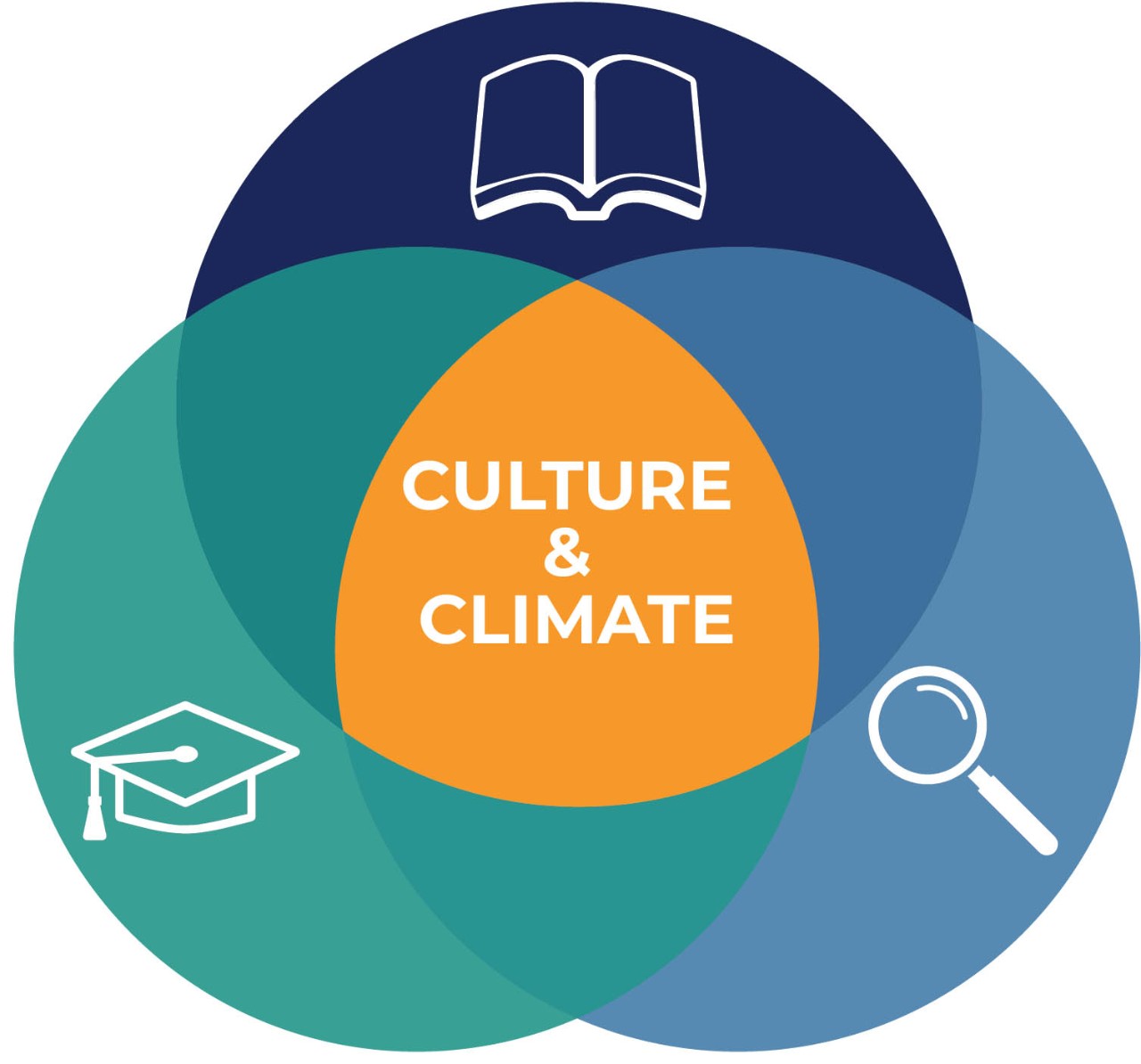
Centered on four key themes—Teaching and Learning; Research and Innovation; Lifelong Learning and Professional Development; and Culture and Climate—the College’s plan is guided by Villanova’s own Strategic Plan, Rooted. Restless.
“I’m proud of how far we’ve come in turning our strategic vision into meaningful progress,” says Ani Ural, PhD, the College’s director of Strategic Initiatives and a professor of Mechanical Engineering. “Our growth reflects the dedication of everyone involved.”
Recognizing the evolving landscape of engineering education and research, the College views the Strategic Plan as a dynamic framework, one that will continue to adapt to emerging opportunities and priorities.
Here’s a sampling of how this work is unfolding across the College, where progress is already making an impact and where it is headed next.
THEME 1: Teaching and Learning
- The College marks a major milestone this fall with the launch of a new Bachelor of Science in Biomedical Engineering, expanding opportunities for undergraduate students.
- Distinctive new Master of Science programs have also been introduced, including an MS in Aerospace Engineering (MSAE) and an MS in Sports and Performance Engineering (MSSPE). One of the first programs of its kind in the nation, the highly specialized MSSPE is designed to position graduates at the forefront of innovation in sports, health and human performance.
- The curriculum for the College’s award-winning Career Compass professional development program has been fully updated, incorporating new in-person components, enhanced alumni-student mentorship opportunities, and a greater emphasis on licensure and career pathways.
- Sustainable Engineering content has been successfully mapped throughout the College curriculum. Additionally, about one-third of Villanova Engineering faculty members have completed a workshop through Engineering for One Planet (EOP), a program launched by the Lemelson Foundation and VentureWell to integrate sustainability and climate literacy in engineering education. Villanova has been a key partner with EOP in developing and hosting national faculty development workshops nationwide.
THEME 2: Research and Innovation
- Newly developed workshops will provide an educational plan in innovation and entrepreneurship for faculty, graduate students and postdoctoral researchers.
- With the opening of Drosdick Hall, new processes have been established within research labs to optimize space allocation, lab management and safety procedures.
- Through seed grants, workshops and other measures, the College is supporting emerging initiatives in areas such as artificial intelligence and Sports and Performance Engineering.
THEME 3: Lifelong Learning and Professional Development
- Efforts are underway to establish new industry partnerships that expand student internship and co-op opportunities.
- The launch of a new PhD Mentorship Program aims to strengthen connections and foster engagement across generations of the Villanova community.
- Recognizing the importance of professional growth among staff members, the College has designated resources specifically to support staff professional development, with processes being developed to guide their allocation.
OVERARCHING THEME: Culture and Climate
- The College has expanded support for NovaEdge, a summer program at Villanova that introduces high school students from diverse backgrounds to engineering through hands-on lab experiences, faculty-led lectures and industry insights. Additionally, the Villanova Engineering, Science and Technology Enrichment and Development (VESTED) program continues to broaden access to STEM education by engaging students from underresourced communities and supporting their academic and professional growth.
- New internal communications channels have elevated the visibility of faculty, staff and student achievements within Drosdick Hall and celebrated excellence in research and education.
- Department-level communications have received a boost, too. Most departments now distribute external newsletters—expanding efforts to highlight achievements across the greater Villanova Engineering community.
Next: Industry Spotlight
Hands-on learning and industry collaboration prepare Civil Engineering students to lead in structural design