
WEBINAR SERIES
By estimate, Americans ages 1 and older consume 55% of calories from ultra-processed food (UPF), a food category increasingly associated with chronic illness, higher cardiovascular disease risk and all-cause mortality. Health agencies around the world are taking steps to regulate ultra-processed foods, however, to place limits on these products, policymakers must be able to identify them. In this webinar, participants will explore why legal and policy definitions of “real” and ultra-processed foods are essential for advancing effective nutrition policy. The session will examine commonly used frameworks for classifying UPFs, including strengths and limitations, and discuss challenges these approaches present for policymakers and practitioners. A proposed alternative regulatory framework inspired by approaches used by the FDA for products such as drugs and tobacco will be reviewed and participants will discuss how a clearer, more actionable definition of UPFs could support public health efforts, inform policy decisions, improve the food environment and protect the health of Americans.
Upon completing this activity, the learner will be able to:
- Discuss the relationship between ultra-processed foods and health.
- Identify commonly used frameworks for defining UPFs, including strengths, limitations and challenges for policymaking.
- Introduce and describe an alternative approach to defining UPFs for individuals, policy makers and practitioners.
Presenter

Alyssa Moran, ScD, MPH, RD
Alyssa Moran, ScD, MPH, RD, is Deputy Director of the Penn Center for Food and Nutrition Policy in the Department of Medical Ethics and Health Policy at the University of Pennsylvania Perelman School of Medicine. A registered dietitian, she has extensive experience collaborating with policymakers, government agencies, researchers, and advocates to advance food and nutrition policies that improve public health. Prior to joining Penn, Dr. Moran was an Assistant Professor of Health Policy at the Johns Hopkins Bloomberg School of Public Health, where her research informed local and national nutrition policy initiatives. Within the Nutrition Strategy Program at the New York City Department of Health and Mental Hygiene, she contributed to innovative programs including the New York City Food Standards, Healthy Hospital Food Initiative, and National Salt and Sugar Reduction Initiative. Dr. Moran holds earned an MPH from New York University, and ScD from the Harvard T.H. Chan School of Public Health.
Details on CE Credits
There are no relevant financial relationships with ineligible companies for those involved with the ability to control the content of this activity. The Nurse Planner will monitor the program for any evidence of commercial bias.
Villanova University M. Louise Fitzpatrick College of Nursing is accredited as a provider of nursing continuing professional development by the American Nurses Credentialing Center’s Commission on Accreditation.
Participation in this entire program and submission of program evaluation will award participants 1.0 contact hour.
This activity awards 1.0 CPEU in accordance with the Commission on Dietetic Registration’s CPEU Prior Approval Program.
Visit villanova.edu/mcner or email mcner@villanova.edu to join our Contact list or for more information on how to become a Webinar Sponsor. A non-profit center, MCNER is based in the Fitzpatrick College of Nursing at Villanova University. MCNER supports and develops educational programs for health professionals, educators, work sites and the public.
The menopause transition is characterized by complex hormonal, cardiovascular, and metabolic changes that significantly influence women's long-term health risks. Despite the availability of general dietary guidelines for cardiovascular disease prevention, there remain gaps in the research specifically addressing the nutritional needs of perimenopausal and postmenopausal women. This webinar will critically examine the role of nutrition in reducing health risks associated with the menopause transition. We will review current dietary guidelines in the context of menopausal physiology, explore behavioral and metabolic adaptations during this life stage, and evaluate the evidence supporting dietary patterns such as Mediterranean, DASH and low-carbohydrate diets. Special attention will be given to the emerging field of precision nutrition, with a focus on how personalized dietary strategies can optimize cardiovascular and metabolic outcomes in midlife women.
Earn 1 free CPEU (RD/RDN/DTR)
Upon completing this activity, the learner will be able to:
- Understand the physiological and behavioral changes surrounding the transition from normal menstrual cycle and function to menopause, including the impact of estrogen loss on female metabolism and weight gain.
- Summarize the specific nutritional and health needs to optimize post-menopausal health, highlighting interventions with established efficacy.
- Introduce precision nutrition approaches tailored to women in midlife.
Presenter
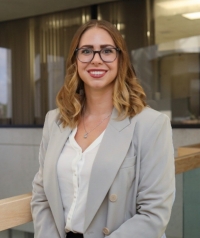
Hannah Cabré, PhD, RDN
Hannah Cabré, PhD, RDN, is a Postdoctoral Fellow in the Reproductive Endocrinology & Women’s Health Lab at Pennington Biomedical Research Center, where she is Principal Investigator on a clinical trial in perimenopausal women, examining how diet can affect cardiovascular disease and vasomotor symptoms. As a registered dietitian and exercise physiologist, her research focuses on how hormonal regulation influences metabolism, body composition and physical function especially during perimenopause and menopause. Dr. Cabré is an author on numerous peer reviewed publications on these topics. She earned her M.S. in Exercise Physiology from Florida State University and her Ph.D. in Human Movement Sciences from The University of North Carolina, Chapel Hill. In addition to her research, Dr. Cabré is a frequent speaker on women’s health issues, including weight management, menopause and nutrition, and other endocrine-related concerns.
Details on CE Credits
Dr. Cabré has received research funding from the National Pork Board. The relevant financial relationships listed for this individual have been mitigated. The Nurse Planner will monitor the program for any evidence of commercial bias.
To receive a CE certificate, you must individually register online for the webinar and attend the full program. In addition, all nurses must complete an online evaluation. Villanova University M. Louise Fitzpatrick College of Nursing is accredited as a provider of nursing continuing professional development by the American Nurses Credentialing Center’s Commission on Accreditation.
This activity awards 1.0 CPEU in accordance with the Commission on Dietetic Registration’s CPEU Prior Approval Program
Visit villanova.edu/mcner or email mcner@villanova.edu to join our Contact list or for more information on how to become a Webinar Sponsor. A non-profit center, MCNER is based in the Fitzpatrick College of Nursing at Villanova University. MCNER supports and develops educational programs for health professionals, educators, work sites and the public.
Food insecurity in Pennsylvania has increased by over 40% in the last two years, with one in eight Pennsylvanians facing hunger. The link between food insecurity, nutrition education and resources, and health outcomes is undeniable. Feeding Pennsylvania is a statewide nonprofit organization committed to reducing hunger and food insecurity by supporting its network of member food banks. Through impactful initiatives such as Farmers Feeding Neighbors, Fill a Glass with Hope, and the Healthy Pantry Initiative, Feeding Pennsylvania ensures access to fresh, nutritious food for families across the Commonwealth. Join us to learn how nutrition education can play a critical role in the charitable food system, providing neighbors with dignity, and empowering them to make healthy choices.
Earn 1 free CPEU (RD/RDN/DTR)
Upon completing this activity, the learner will be able to:
- Understand the extent of food insecurity in Pennsylvania.
- Explore the link between food insecurity and health and the innovative ways nutrition education can make a difference.
- Learn ways health professionals can get involved in the movement to end hunger through advocacy, resource sharing, and hands-on strategies.
Presenters
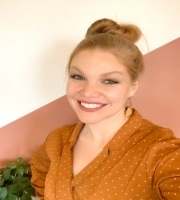
Lauren Duff serves as the Chief Public Affairs Officer at Feeding Pennsylvania, where she leads strategic communications and advocacy efforts to elevate the organization's mission and impact. With a background in public policy and community engagement, Lauren plays a key role in shaping initiatives that address food insecurity and promote equitable access to nutrition across the state.

Megan Greevy, MS, RD, LDN, is the Director of Nutrition Education at Feeding Pennsylvania. A registered dietitian with extensive experience in public health nutrition, Megan oversees educational programming that empowers individuals and families to make informed, healthy food choices. Her work bridges the gap between food access and nutrition literacy, ensuring that charitable food systems also support long-term health outcomes.
Details on CE Credits
There are no relevant financial relationships with ineligible companies for those involved with the ability to control the content of this activity. To receive a CE certificate, you must individually register online for the webinar and attend the full program. In addition, all nurses must complete an online evaluation.
This activity awards 1.0 CPEU in accordance with the Commission on Dietetic Registration’s CPEU Prior Approval Program.
Visit villanova.edu/mcner or email mcner@villanova.edu to join our Contact list or for more information on how to become a Webinar Sponsor. A non-profit center, MCNER is based in the Fitzpatrick College of Nursing at Villanova University. MCNER supports and develops educational programs for health professionals, educators, work sites and the public.
Despite growing recognition of dietary fiber’s critical role in gut health and overall wellness, intake levels across all age groups consistently fall short of recommendations, highlighting the need for innovative strategies to meet needs. This program provides health professionals with a deeper understanding of the emerging role of fiber in overall health, including its impact on the gut microbiota, as well as an exploration of dietary fiber types, and physiological benefits by fiber subtype. Current fiber recommendations across various age groups will be addressed, along with population intake estimates and shortfalls. Following the presentation, a panel discussion and Q&A will explore additional novel strategies for increasing fiber intake, offering actionable insights to bridge the gap between dietary guidelines and real-world consumption and encouraging ongoing conversation.
Earn 1 free CPEU (RD/RDN/DTR)
Upon completing this activity, the learner will be able to:
- Review differences in fiber type and physiological health benefits.
- Provide an overview of the emerging role of fiber in promoting gut health.
- Identify current dietary fiber recommendations for health vs. average U.S. adult intake.
- Discuss practical and novel strategies for increasing dietary fiber intake to meet goals.
Presenter

Nicola McKeown, PhD
Nicola McKeown, PhD, is a research professor in Nutrition Epidemiology at the Sargent College of Health and Rehabilitation Sciences at Boston University. Dr. McKeown received a B.S. in Human Nutrition from the University of Ulster in Northern Ireland and a Ph.D. in Nutritional Epidemiology from the University of Cambridge in England. Her research focuses on the impact of diet quality on disease risk and healthy aging. She has made significant contributions to understanding the impact of different carbohydrate sources, including whole-grains and sugar-sweetened beverages, on abdominal adiposity, metabolic syndrome, and diabetes risk. Dr. McKeown is PI on an innovative project creating a publicly available dietary fiber database capturing current research linking dietary fibers to human health outcomes and is collaborating on projects to understand the intersection between improving health and sustainable diets.
Q & A Discussion Panel Participants

Rod Wallace, Ph.D. is a business strategist and economist. A Fulbright fellow, Wallace earned his PhD in Economics from the University of Michigan. As the President of the Foundation for Innovation in Healthy Food, Rod leads a coalition of scientists, business professionals, and other stakeholders dedicated to transforming the food industry by prioritizing the role of nutrition in health.
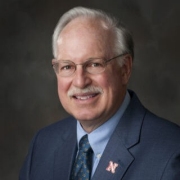
Stephen Baenziger, PhD, is a plant breeder and nonprofit thought leader. The Emeritus Wheat Growers’ President’s Chair at the University of Nebraska, Lincoln, Baenziger earned his PhD in plant breeding and genetics at Purdue University. As the Chair of the Board for the Foundation for Innovation in Healthy Food, Stephen provides strategic direction for the effort to enhance nutrition in everyday foods, while preserving the joy of eating.
Details on CE Credits
Dr. McKeown is a scientific advisor and/or consultant with Whole Grains Council, Institute for the Advancement of Food and Nutrition Sciences, Grains for Health Foundation, American College of Lifestyle Medicine, the Soy Nutrition Institute Global and was a sponsored speaker by PepsiCo. The program planners will monitor the program for any evidence of commercial bias. Rod Wallace, PhD and P.Stephen Baenziger, PhD have no disclosures to report.
To receive a CE certificate, you must individually register online for the webinar and attend the full program.
This activity awards 1.0 CPEU in accordance with the Commission on Dietetic Registration’s CPEU Prior Approval Program.
Visit villanova.edu/mcner or email mcner@villanova.edu to join our Contact list or for more information on how to become a Webinar Sponsor. A non-profit center, MCNER is based in the Fitzpatrick College of Nursing at Villanova University. MCNER supports and develops educational programs for health professionals, educators, work sites and the public.
Type 2 diabetes (T2D) affects 10.5% of U.S. adults, with rising rates among the younger adult population, increasing risks for complications such as blindness, kidney disease, and cardiovascular issues. With healthcare costs soaring, prevention and remission of T2D are critical public health priorities. This webinar will review the latest clinical practice guideline (CPG) from the American College of Lifestyle Medicine (ACLM) on lifestyle interventions for prediabetes and T2D remission. We’ll cover 14 evidence-based key action statements that provide actionable guidance and a standardized framework for clinicians managing non-pregnant adults with T2D, prediabetes, or a history of gestational diabetes. Practical resources, including patient-facing materials and assessment tools for rapid adoption in busy clinical settings, will also be highlighted to provide concrete strategies for implementation in practice.
Upon completing this activity, the learner will be able to:
- Define the key action statements from the ACLM guidelines focusing on lifestyle interventions for treatment and remission of Type 2 diabetes and prediabetes in adults.
- Apply the systematic framework to practice by providing a whole person-centered therapeutic lifestyle prescription.
- Effectively evaluate patient-centered, relevant outcomes.
Presenter
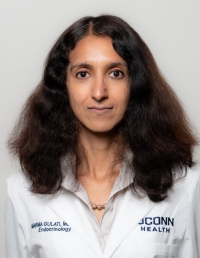
Mahima Gulati, MD, FACE, FACLM
Mahima Gulati, MD, is a triple board-certified physician in endocrinology, diabetes and metabolism, as well as internal medicine, and is a diplomate of the American Board of Lifestyle Medicine. She serves as Associate Professor in the Department of Medicine, Division of Endocrinology, Diabetes, and Metabolism at the University of Connecticut School of Medicine. Dr. Gulati directs the UConn Health Lifestyle Medicine Endocrinology service line and leads the Lifestyle Medicine curriculum for the Endocrinology fellowship, while co-directing curricula for Internal Medicine, Family Medicine, and Pharmacy residencies. She is a Fellow of both the American College of Lifestyle Medicine and the American College of Endocrinology. A sought-after speaker, Dr. Gulati has presented at more than 50 regional, national, and international conferences and authored numerous journal articles and textbook chapters on endocrine and lifestyle medicine topics.
Details on CE Credits
Earn 1 free CPEU for RDs/RDNs/DTRs, 1 CH for Nursing Professionals
There are no relevant financial relationships with ineligible companies for those involved with the ability to control the content of this activity. The Nurse Planner will monitor the program for any evidence of commercial bias.
To receive a CE certificate, you must individually register online for the webinar and attend the full program. In addition, all nurses must complete an online evaluation. Villanova University M. Louise Fitzpatrick College of Nursing is accredited as a provider of nursing continuing professional development by the American Nurses Credentialing Center’s Commission on Accreditation.
This activity awards 1.0 CPEU in accordance with the Commission on Dietetic Registration’s CPEU Prior Approval Program.
Visit villanova.edu/mcner or email mcner@villanova.edu to join our Contact list or for more information on how to become a Webinar Sponsor. A non-profit center, MCNER is based in the Fitzpatrick College of Nursing at Villanova University. MCNER supports and develops educational programs for health professionals, educators, work sites and the public.
According to the World Health Organization, cardiovascular disease (CVD) continues to be a major cause of disability and mortality globally, resulting in an estimated 17.9 million deaths annually, most from heart attack or stroke and one-third occurring in adults under age 70. Treatment with omega-3 fatty acids has been studied extensively as a therapeutic option, but benefits and risks require careful consideration. During this webinar, we will review published research on omega-3s, including randomized controlled trials (RCT) and a major meta-analysis. A discussion on omega-3 fatty acid use in preventing major cardiac events as well as potential risks and practical implications for guiding treatment decisions and implementation will follow. The webinar will conclude with a brief Q&A.
Upon completing this activity, the learner will be able to:
- Review published data, including RCTs and meta-analysis on omega-3 use and cardiovascular disease prevention.
- Understand the benefits and risks of omega-3 use in preventing cardiac events.
- Provide evidence-based guidance on omega-3 use for practitioners.
Presenter
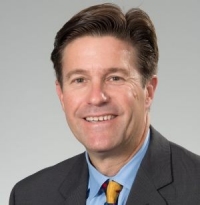
Carl “Chip” Lavie, Jr., MD, FACC, FACP, FCCP
Carl “Chip” Lavie, Jr., MD, FACC, FACP, FCCP is Professor of Medicine and Medical Director of Cardiac Rehabilitation and Preventive Cardiology at the John Ochsner Heart and Vascular Institute in New Orleans. Dr. Lavie also directs the Exercise Testing Laboratory and serves as Staff Cardiologist in the Echocardiographic Laboratory at Ochsner Clinical School–The University of Queensland School of Medicine, where he previously spent 10 years as Associate Director of the Internal Medicine Training Program. Prior to that, he served as Consultant in Preventive Medicine at the Pennington Biomedical Research Center in Baton Rouge. Dr. Lavie’s research focuses on cardiac rehabilitation and prevention, lipids, hypertension, obesity, exercise, and noninvasive testing, including echocardiography, exercise testing, and nuclear cardiology. Dr. Lavie has authored over 1,800 medical publications, including two cardiology textbooks, and is the author of The Obesity Paradox.
Details on CE Credits
Earn 1 free CPEU for RDs/RDNs/DTRs; 1 CH for Nursing Professionals.
Dr. Lavie served as a speaker and consultant for DSM Nutritional Products and GOED (related to omega-3) and with Amgen (unrelated to omega-3). The relevant financial relationships listed for this individual have been mitigated. The Nurse Planner will monitor the program for any evidence of commercial bias.
To receive a CE certificate, you must individually register online for the webinar and attend the full program. In addition, all nurses must complete an online evaluation. Villanova University M. Louise Fitzpatrick College of Nursing is accredited as a provider of nursing continuing professional development by the American Nurses Credentialing Center’s Commission on Accreditation.
This activity awards 1.0 CPEU in accordance with the Commission on Dietetic Registration’s CPEU Prior Approval Program.
Visit villanova.edu/mcner or email mcner@villanova.edu to join our Contact list or for more information on how to become a Webinar Sponsor. A non-profit center, MCNER is based in the Fitzpatrick College of Nursing at Villanova University. MCNER supports and develops educational programs for health professionals, educators, work sites and the public.
As artificial intelligence rapidly transforms healthcare, nutrition professionals have a unique opportunity to help shape its responsible use in precision nutrition and public health. This session will explore the current evidence supporting nutrition-focused AI applications, including emerging tools for personalized nutrition, population health, patient education, and behavior change. Participants will also examine critical issues related to ethics, governance, equity, transparency, and implementation. Through real-world examples and practical insights, attendees will gain the knowledge needed to contribute meaningfully to the design, evaluation, and responsible scaling of AI solutions that support better nutrition and health outcomes. Attendees will discover real-world applications of AI in nutrition and public health, gain practical strategies for responsible implementation, and leave better prepared to deliver innovative, data-driven, personalized care.
Upon completing this activity, the learner will be able to:
- Discuss the evidence-based applications of artificial intelligence in precision nutrition and public health.
- Evaluate ethical, equity, governance, and transparency considerations relevant to the use of AI in nutrition practice and policy.
- Identify strategies for integrating professional expertise into the development, implementation, and evaluation of responsible AI-driven nutrition solutions.
Presenter
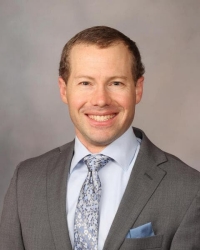
Dominique Monlezun, MD, PhD, PhD, MPH
Dominique Monlezun, MD, PhD, PhD, MPH, a physician-data scientist and AI ethicist, is Associate Program Director of AI in Medicine/Ethics and Governance at Mayo Clinic, where he leads educational initiatives focused on the responsible use of AI in healthcare. Dr. Monlezun earned his MD from Tulane University School of Medicine, and PhDs in Global Health Management & Policy (Artificial Intelligence) from School of Public Health and Tropical Medicine at Tulane University School of Medicine and in Bioethics from Athenaeum Regina Apostolorum. In his research, he co-founded the preventive cardiology field of culinary medicine, served as the Principal Investigator for over 100 cohort and randomized controlled trials internationally, and authored over 420 peer-reviewed papers and conference presentations in addition to multiple textbooks advancing global AI-driven and human-centered improvements in population health, policy, and ethics.
Details on CE Credits
There are no relevant financial relationships with ineligible companies for those involved with the ability to control the content of this activity. The Nurse Planner will monitor the program for any evidence of commercial bias.
Villanova University M. Louise Fitzpatrick College of Nursing is accredited as a provider of nursing continuing professional development by the American Nurses Credentialing Center’s Commission on Accreditation.
Participation in this entire program and submission of program evaluation will award participants 1.0 contact hour.
This activity awards 1.0 CPEU in accordance with the Commission on Dietetic Registration’s CPEU Prior Approval Program.
Visit villanova.edu/mcner or email mcner@villanova.edu to join our Contact list or for more information on how to become a Webinar Sponsor. A non-profit center, MCNER is based in the Fitzpatrick College of Nursing at Villanova University. MCNER supports and develops educational programs for health professionals, educators, work sites and the public.
To view past webinar and program recordings, check out our Material Archives page.
DETAILS ON CE CREDITS
Villanova University M. Louise Fitzpatrick College of Nursing is accredited as a provider of nursing continuing professional development by the American Nurses Credentialing Center’s Commission on Accreditation.
Participation in programs and submission of program evaluations are required to award participants contact hours.
Villanova University Fitzpatrick College of Nursing MacDonald Center for Nutrition Education and Research provides Continuing Professional Education in accordance with the Prior Approval Program of the Commission on Dietetic Registration.
CDR members: Any feedback about the quality of the activity can be sent directly to CDR at QualityCPE@eatright.org
